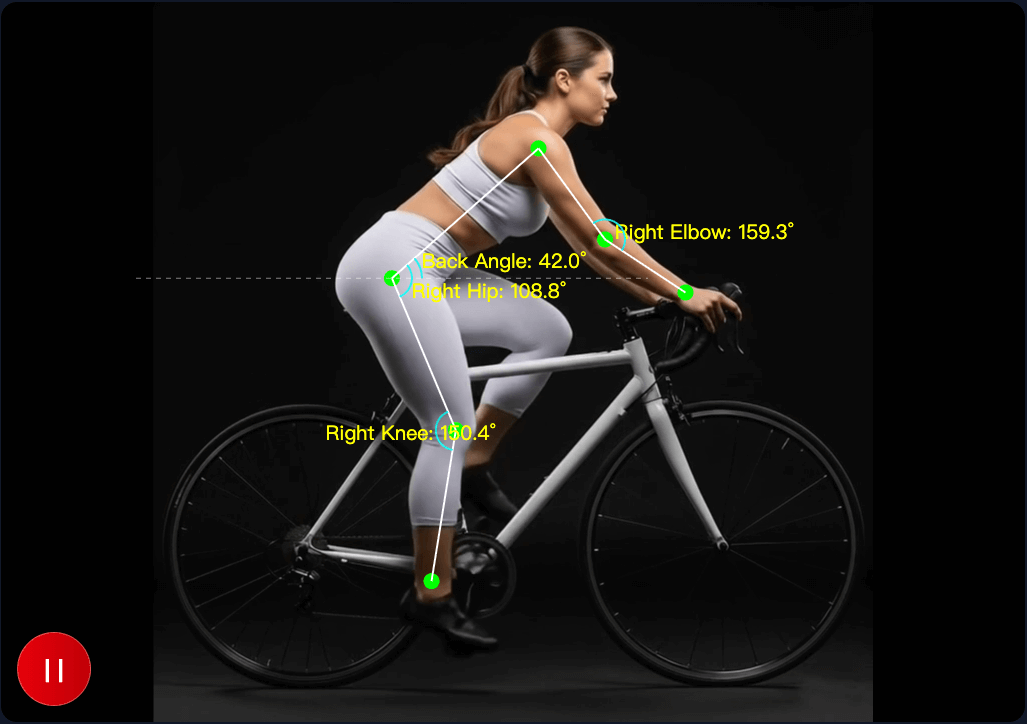
The Cyclist's Body: Identifying and Preventing Common Pain Points
Cycling is often hailed as a low-impact sport, but the repetitive nature of the pedal stroke—thousands of repetitions per hour—can lead to overuse injuries. Most cycling discomfort stems not from trauma, but from poor bike fit and muscular imbalances.
1. Knee Pain (The Cyclist's Arch-Nemesis)
Knee pain is the most reported issue among cyclists. The location of the pain often points to the cause:
Pain Location and Cause
- Front of the Knee (Patellofemoral Pain): Usually caused by a saddle that is too low or too far forward, leading to excessive compression of the kneecap.
- Back of the Knee (Hamstring Tendonitis): Often linked to a saddle that is too high, causing the hamstring to overstretch at the bottom of the stroke.
- Side of the Knee (IT Band Syndrome): Typically caused by incorrect cleat setup, forcing the knee to track inward or outward (poor knee trajectory).
Prevention
- Bike Fit First: Ensure your saddle height and cleat position are precisely set. The small expense of a bike fit is cheaper than physical therapy.
- Strengthen Glutes: Strong gluteal muscles help stabilize the knee, preventing lateral movement during the pedal stroke.
2. Neck and Upper Back Pain
This discomfort is common, especially in road cyclists who spend long periods in an aggressive, low-aero position.
- Cause: Excessive reach to the handlebars (stem too long) or too much handlebar drop (bars too low) forcing the rider to hyperextend the neck to look forward.
Prevention
- Reduce Reach: Shorten the stem or raise the handlebars with spacers.
- Strengthening: Perform regular neck and upper back extension exercises to counteract the cycling posture.
3. Hand Numbness (Ulnar Neuropathy)
Numbness or tingling in the pinky and ring fingers (known as handlebar palsy) is caused by chronic pressure on the ulnar nerve in the wrist.
- Cause: Putting too much weight on the hands, often due to a saddle that is tilted too far up or too far down, or a reach that is too long.
Prevention
- Check Saddle Angle: Ensure the saddle is level or slightly nose-up to shift weight back onto the sit bones.
- Padded Gloves & Bar Tape: Use high-quality, shock-absorbing bar tape and padded gloves.
- Change Hand Position: Regularly shift your grip between the hoods, drops, and bar tops every 10-15 minutes.
The Power of Consistency: Off-Bike Habits
Injuries don't just happen on the bike. Your off-bike routine is essential for resilience:
- Core Strength: A strong core stabilizes the pelvis, preventing rocking that leads to back and knee issues.
- Flexibility: Regular stretching, especially of the hamstrings, hip flexors, and lower back, is crucial for maintaining a sustainable cycling position.
- Listen to Pain: Differentiate between temporary muscle soreness and sharp joint pain. Pain is your body's alarm system—don't ignore it.