Bike FittingCyclingHealthInjury Prevention
A Pain in the Neck? Solving Cycling's Most Common Upper Body Issue
•3 min read

Don't Let Neck Pain Stall Your Ride
While cycling is primarily a leg-driven sport, your upper body plays a massive role in stabilizing your frame. Neck pain—often felt as a dull ache at the base of the skull or sharp tension in the trapezius muscles—is a frequent complaint, especially among road cyclists and those transitioning to more aggressive riding positions.
Common Causes of Neck Pain
Most neck issues on the bike stem from hyperextension. This happens when you have to crinkle your neck upward to see the road because your body is positioned too low or too long.
1. Excessive Reach
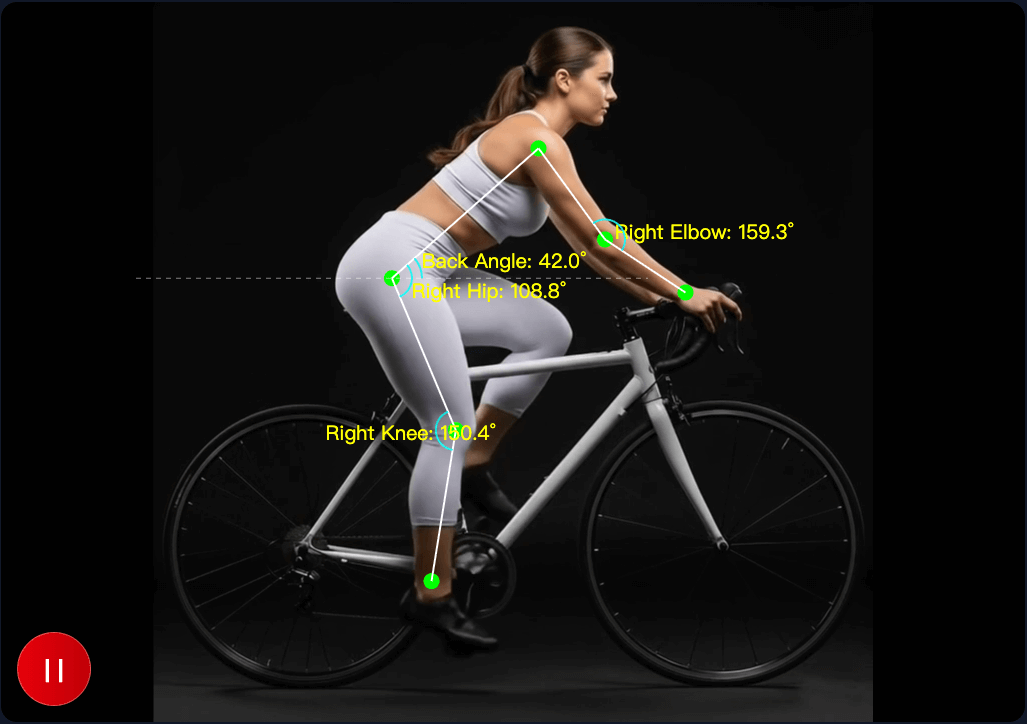
If your handlebars are too far forward (the 'reach' is too long), you are forced to stretch your arms and flatten your torso. This puts immense strain on the muscles supporting your head.
2. Handlebar Drop
A large vertical difference between your saddle and your handlebars (the 'drop') is great for aerodynamics but taxing on the neck. The lower your head goes, the harder your neck muscles have to work to look forward.
3. Helmet and Eyewear Issues
Sometimes the problem isn't the bike. A heavy helmet or glasses that slip down your nose can force you to tilt your head back further than necessary to maintain visibility.
Effective Solutions and Adjustments
Adjust Your Bike Fit
- Shorten the Stem: Swapping to a stem that is 10-20mm shorter can bring the bars closer and allow your neck to stay in a more neutral position.
- Add Spacers: Raising your handlebars by moving spacers from above the stem to below it reduces the 'drop' and eases the upward angle of your head.
- Check Saddle Tilt: If your saddle is tilted too far down at the nose, you will slide forward, putting extra weight on your hands and neck.
Improve Your On-Bike Posture
- Relax Your Shoulders: Many cyclists 'shrug' when tired. Consciously drop your shoulders away from your ears to reduce tension.
- Bend Your Elbows: Keep a slight bend in your arms to act as shock absorbers. Locked elbows transmit road vibration directly into your neck and skull.
- The 'Eye Gaze' Trick: Instead of tilting your whole head up, try looking up with your eyes more. This subtle shift can reduce the degree of neck extension needed.
Strengthening and Recovery
Off the bike, focus on thoracic mobility (upper back flexibility) and deep neck flexor strengthening. A stiff upper back forces the neck to do more of the bending, leading to localized pain. Regular foam rolling and 'chin tuck' exercises can build the resilience needed for those 100km days.