Bike FitCycling TipsErgonomicsHealthPerformance
What is Bike Fitting? The Key to Comfort and Performance
•3 min read
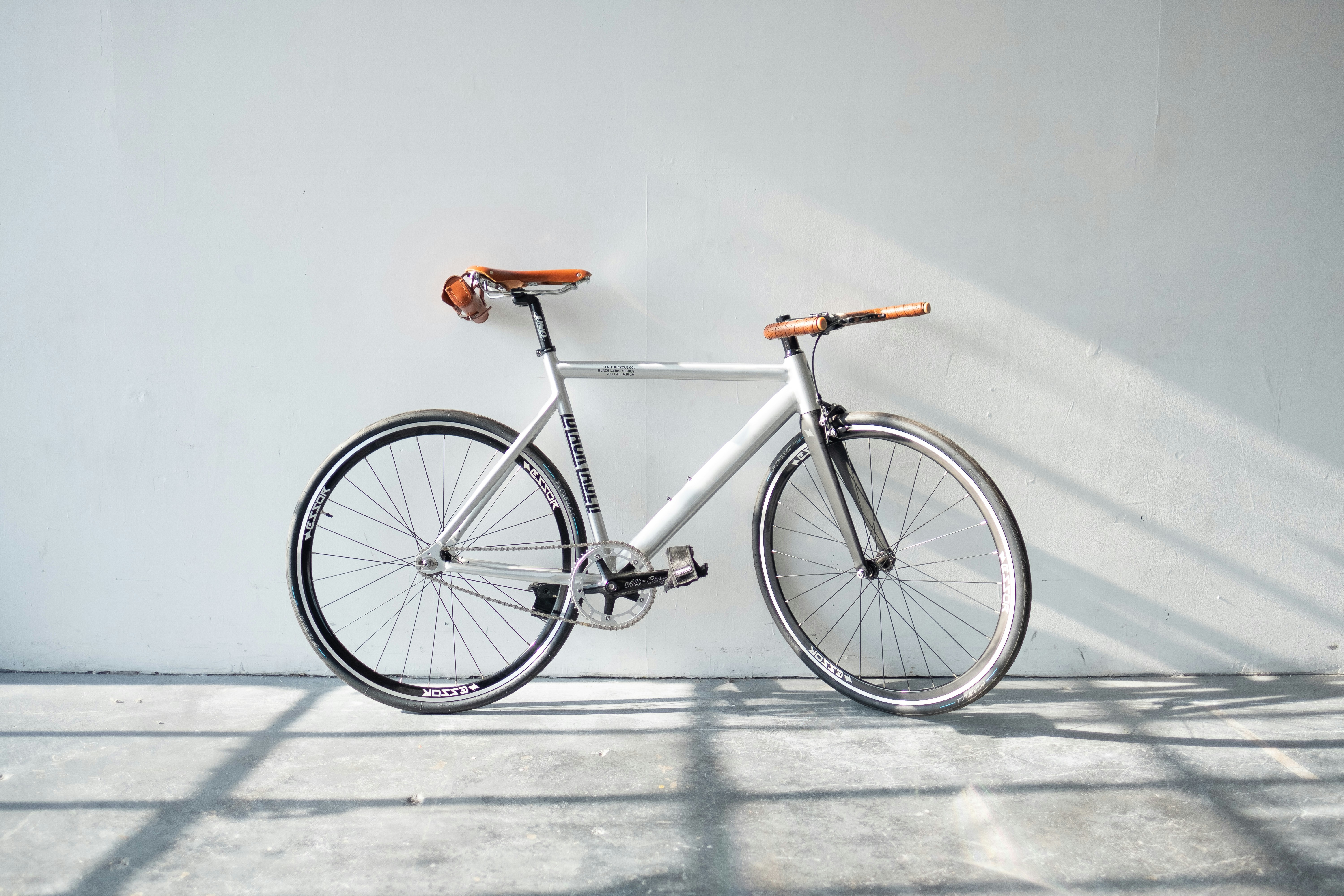
You just bought a shiny new road bike. It looks fast, it’s lightweight, and you can’t wait to crush some miles. But after an hour on the saddle, your lower back aches, your hands are numb, and your knees feel funny. What went wrong?
The answer likely isn't the bike itself, but rather how it interacts with your body. This is where bike fitting comes in.
What is Bike Fitting?
Bike fitting is the process of adjusting a bicycle to fit the specific physical dimensions, flexibility, and riding goals of an individual rider. It bridges the gap between a symmetrical, mass-produced machine and an asymmetrical, unique human body.
While buying the correct frame size is the starting point, a bike fit dials in the specific components. It involves adjusting:
- Saddle Height & Fore/Aft: To optimize knee extension and pedal stroke.
- Handlebar Reach & Stack: To ensure your back and shoulders are comfortable.
- Cleat Alignment: To keep your knees tracking straight and prevent injury.
Why Do You Need It?
There is a misconception that bike fits are only for professional racers. In reality, recreational riders often benefit the most because they may lack the core strength to compensate for a bad position.
1. Injury Prevention
Repetitive motion in a poor position is a recipe for tendinitis, knee pain, and numbness. A proper fit ensures your joints are aligned correctly.
2. Comfort = Endurance
If you aren't fighting your bike, you can ride longer. Eliminating saddle sores and hand numbness allows you to focus on the scenery, not the pain.
3. Efficiency and Power
A good fit places your muscles in the optimal range of motion to produce power. You’ll go faster with the same amount of effort.
Signs You Need a Fit
If you experience any of the following, it’s time to book an appointment:
- Numbness in hands or feet (hot spots).
- Stiff neck or shoulders after a ride.
- Knee pain (front, back, or side).
- Saddle discomfort or excessive rocking of the hips.
Conclusion
Think of a bike fit as an investment in your cycling longevity. Whether you are commuting, racing, or riding for fitness, the machine should adapt to you, not the other way around.
Ready to Optimize Your Riding Position?
Get a professional AI-powered bike fitting analysis in minutes. Upload your video and receive personalized recommendations.
Start Free AnalysisRelated Articles
Cycling TipsPerformance
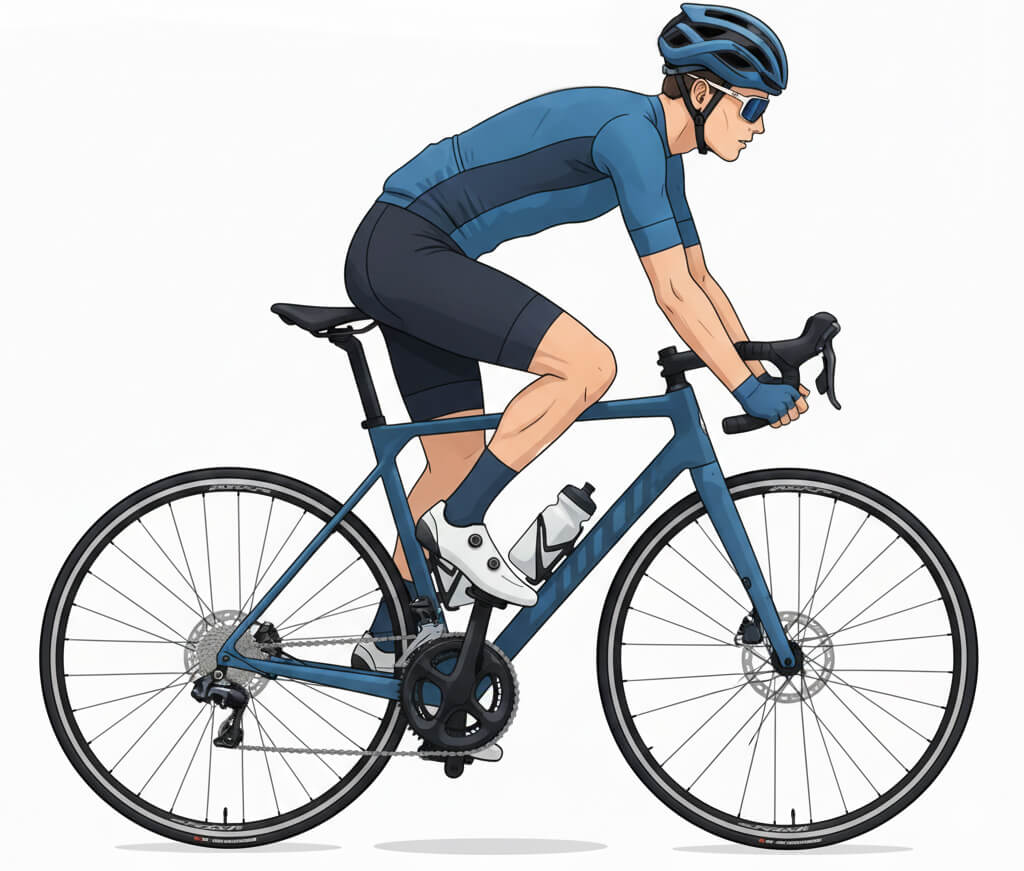
Mastering the Silhouette: The Definitive Guide to Correct Riding Posture
Efficiency starts with how you sit. Learn the essential pillars of correct cycling posture to boost your speed and eliminate chronic pain.
3 min
Bike FitBiomechanics
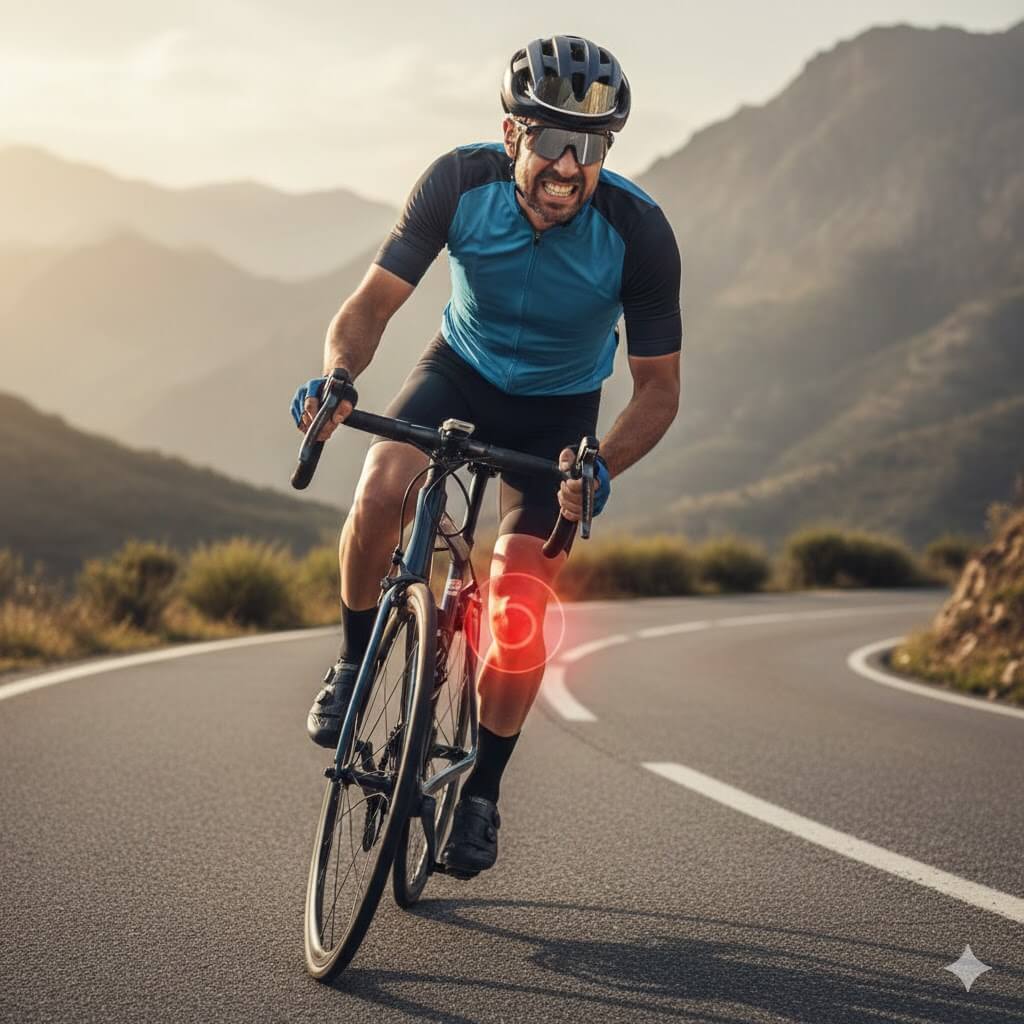
Knee Joint Trajectory Analysis in Cycling
Unlock the secrets of efficient pedaling. Learn how knee joint trajectory analysis can prevent injury and optimize your power output.
2 min
Bike MaintenanceCycling Tips
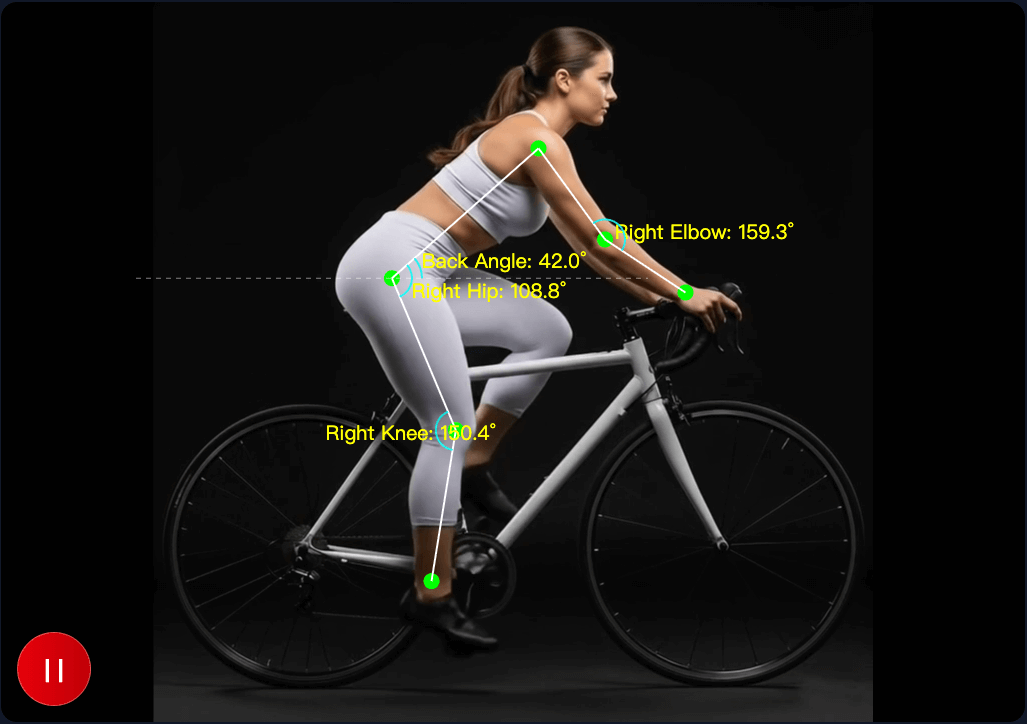
Dialing in Your Ride: How to Adjust Your Handlebar Position
Neck pain or numb hands? Your handlebar position might be the culprit. Learn how to adjust height, reach, and angle for a more comfortable, controlled ride.
3 min