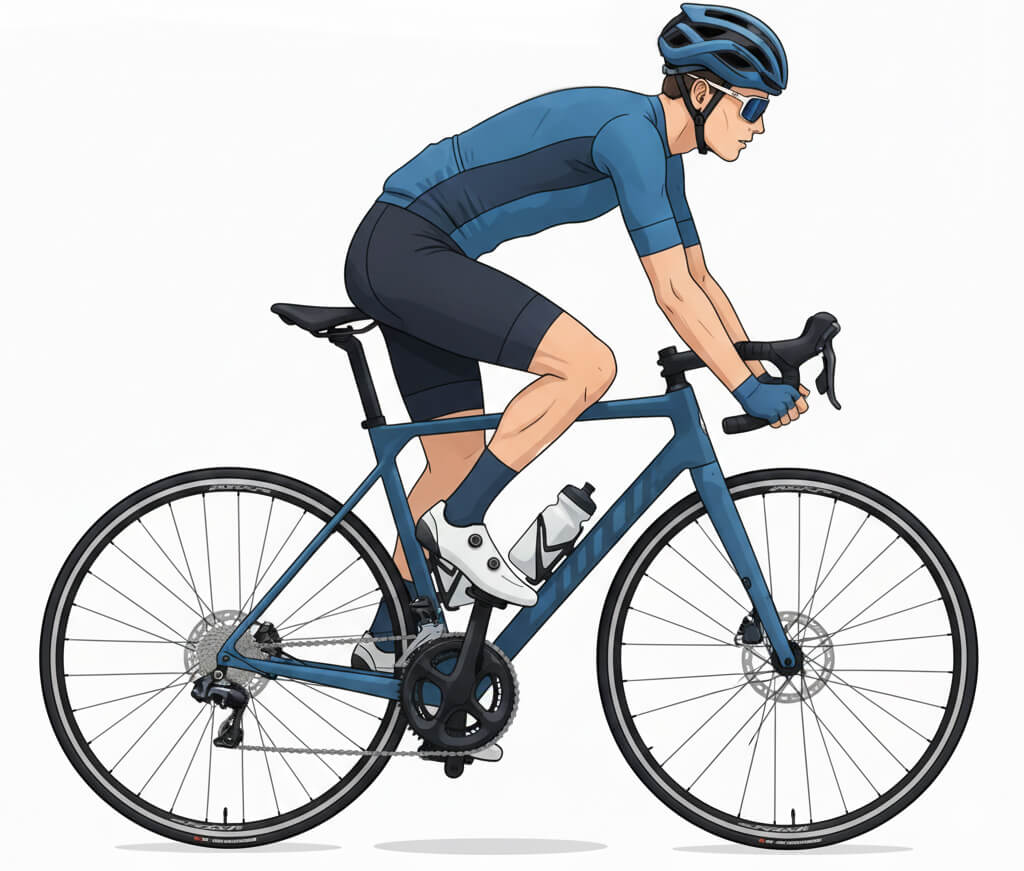
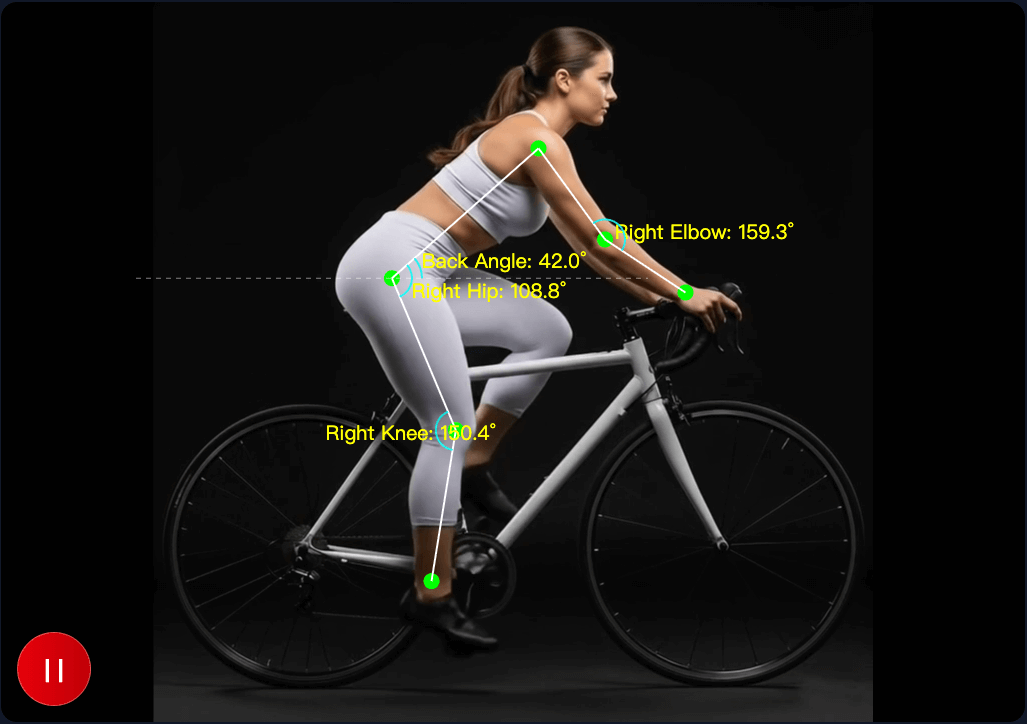
While saddle height gets most of the attention, your handlebar position is what dictates your upper body comfort and how the bike handles. If you're experiencing numb hands, a stiff neck, or tingly shoulders, it's time to look at your front end.
There are three primary adjustments you can make to your handlebars: Height (Stack), Reach (Distance), and Rotation (Angle).
1. Adjusting Handlebar Height (Stack)
The height of your bars relative to your saddle determines how much weight is on your hands and the angle of your back.
- To Raise the Bars: This creates a more upright position, reducing strain on the lower back and neck. It is ideal for endurance riding and beginners.
- To Lower the Bars: This creates a more aerodynamic profile and lowers your center of gravity for better cornering, but requires more core strength and flexibility.
On modern bikes with threadless headsets, you adjust height by moving spacers above or below the stem.
2. Adjusting Handlebar Reach
Reach is the horizontal distance from your saddle to your bars. If you feel like you are 'stretching' to reach the brakes, your reach is likely too long.
- The Elbow Test: A good rule of thumb is that when you are in a riding position with your hands on the hoods, your elbows should have a slight bend (about 15 degrees). Your upper body and arms should form a 90-degree angle.
- Stem Swapping: Unlike height, reach is usually adjusted by replacing the stem with a shorter or longer version.
3. Handlebar Rotation and Hood Position
The angle at which your bars are rotated can drastically change the pressure on your wrists.
- Neutral Wrist: The transition from the top of the bars to the brake hoods should be relatively flat. Your wrists should be in a neutral, 'handshake' position when riding.
- Rotation: If the bars are tilted too far up, you may lose control in the drops. If they are tilted too far down, you will likely slide forward off the saddle.
4. Handlebar Width
While harder to adjust without buying new parts, the width of your bars should generally match the width of your shoulders (specifically the acromion process joints). Bars that are too wide can cause shoulder impingement, while bars that are too narrow can restrict your breathing.
Conclusion
Small changes in handlebar position lead to big changes in comfort. Always adjust in small increments—5mm can be the difference between a painful ride and a perfect one. If you make an adjustment, go for a 20-minute ride to see how your body reacts before committing to a long day in the saddle.