Bike FittingBiking BasicsCyclingErgonomics
Mastering the Ride: The Basic Principles of Bike Fitting
•3 min read

A bicycle is a symmetrical machine, but the human body is inherently asymmetrical. The goal of bike fitting is to create a harmonious interface between the two. To achieve this, fitters follow several core principles designed to balance comfort, power, and aerodynamics.
1. The Three Contact Points
Bike fitting revolves around the three areas where your body meets the bike: the hands (handlebars), the pelvis (saddle), and the feet (pedals). A change in one point inevitably affects the others.
2. Saddle Height and Knee Extension
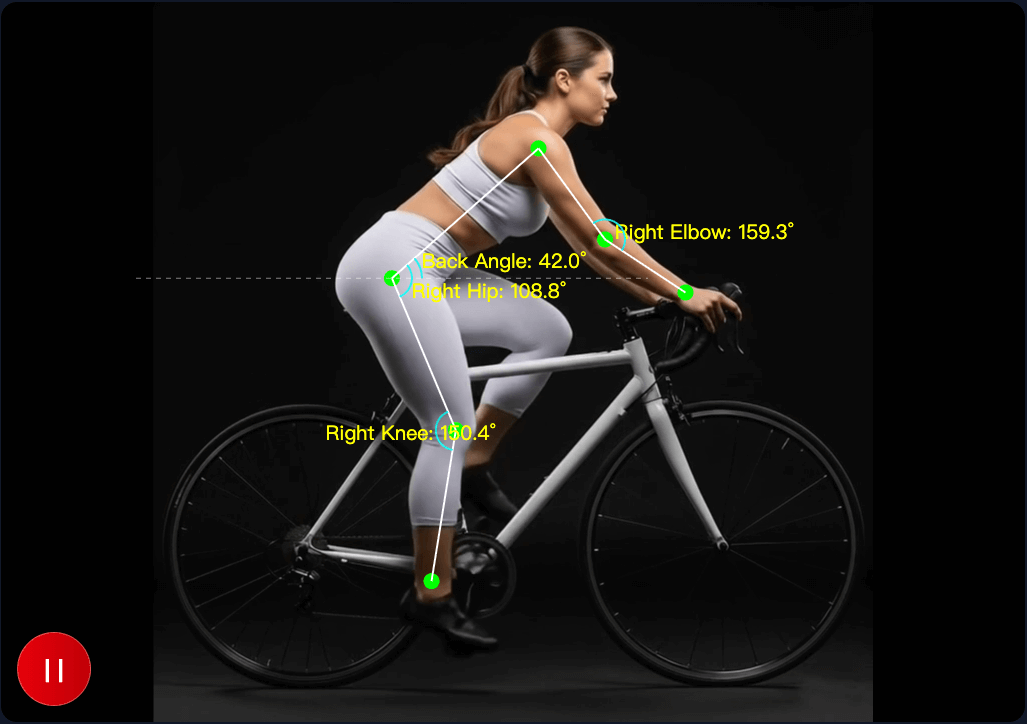
The most critical adjustment in any fit is saddle height. The goal is to achieve an optimal knee angle at the bottom of the pedal stroke—typically between 25 and 35 degrees of flexion.
- Too high: Your hips will rock to reach the pedals, leading to lower back pain and saddle sores.
- Too low: Excessive compression occurs in the knee joint, often causing pain in the patella (kneecap).
3. Neutral Foot Positioning (Cleat Alignment)
Power starts at the feet. Cleats should be positioned so the ball of the foot (the metatarsal heads) is centered over the pedal spindle. This ensures efficient power transfer and prevents 'hot spots' or numbness.
Furthermore, the lateral position and 'float' of the cleat must match the natural tracking of your knee to prevent twisting forces on the ligaments.
4. Reach and Weight Distribution
Reach refers to the distance from the saddle to the handlebars. A balanced reach allows for a slight bend in the elbows, which acts as natural suspension.
If the reach is too long, you’ll overstretch, causing neck and shoulder tension. If it’s too short, your diaphragm may be compressed, making it harder to breathe during intense efforts. The goal is a 'neutral spine' where the weight is distributed evenly between the saddle and the bars.
5. Fore/Aft Saddle Position (KOPS)
A common starting principle is KOPS (Knee Over Pedal Spindle). When the crank arms are horizontal (at the 3 o'clock position), a plumb line dropped from the front of the knee should ideally pass through the center of the pedal spindle. While not a hard rule for everyone, it serves as a foundational baseline for balance and leverage.
Conclusion
Bike fitting is both a science and an art. While these principles provide a roadmap, every rider's flexibility, injury history, and goals are different. By focusing on these core pillars, you can transform your riding experience from a struggle against the machine into a seamless flow.