AerodynamicsBike FittingCyclingErgonomics
Finding Your Balance: The Art of Back Angle Optimization
•3 min read
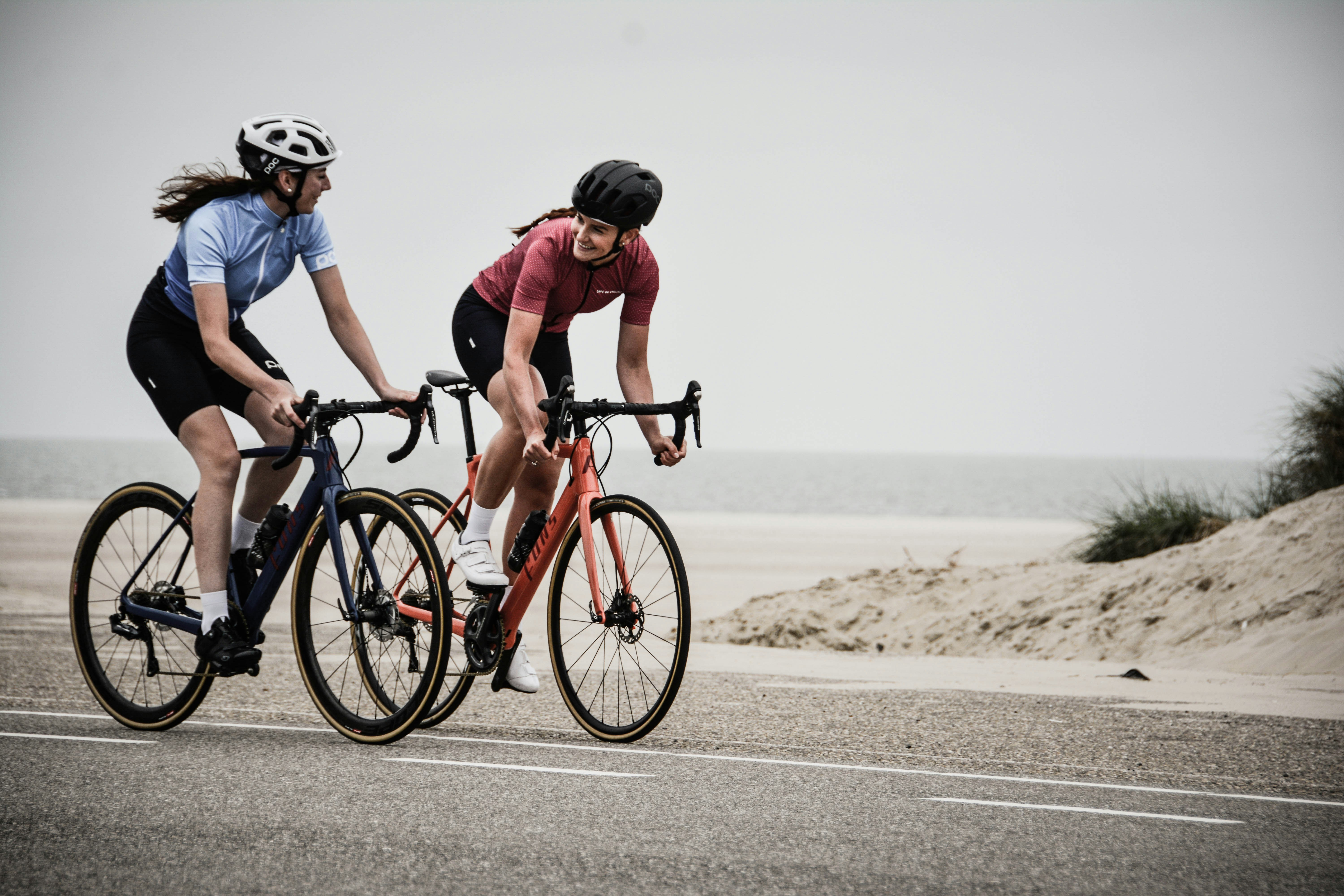
When it comes to bike fitting, your back angle is the ultimate compromise between two competing forces: aerodynamics and comfort. Finding the 'perfect' angle isn't just about looking fast like a pro; it’s about ensuring your spine can support your effort without causing long-term strain.
What is Back Angle?
In cycling biomechanics, back angle (or torso angle) is the tilt of your torso relative to the horizontal plane. A 'flat' back (0-20 degrees) is highly aerodynamic, while a more 'upright' back (40-50 degrees) is generally more sustainable for long distances.
The Three Pillars of Back Optimization
Optimizing your back angle requires looking at three specific factors:
- Flexibility and Core Strength: Your hamstrings and lower back dictate how low you can go. If you force a low position without the required flexibility, your pelvis will tilt, causing your lower back to 'roach' or round excessively.
- Breathing Efficiency: A back angle that is too aggressive can compress the diaphragm, making it harder to take deep, oxygen-rich breaths during high-intensity efforts.
- Saddle Pressure: As your back gets lower, your pelvis rotates forward. This shifts pressure from your sit bones to the more sensitive soft tissues. Finding the right angle often requires adjusting your saddle tilt or shape simultaneously.
Common Angles for Different Disciplines
There is no one-size-fits-all, but here are the industry standards:
- Recreational/Endurance: 40° to 50°. This prioritizes vision and comfort, reducing strain on the neck and wrists.
- Road Racing: 30° to 40°. A balance of speed and power, allowing for a flat back while in the drops.
- Time Trial/Triathlon: 20° to 25°. Extreme focus on aerodynamics, requiring significant training to maintain.
Signs Your Angle is Wrong
If you experience neck pain, you might be too low, forcing your head to crane up to see the road. If you feel lower back tension, your reach might be too long, pulling your spine out of its neutral curvature.
Conclusion
Back angle optimization is a journey, not a destination. As your fitness improves and your flexibility increases, your 'optimal' angle may lower. Start with comfort, build your core strength, and the speed will follow naturally.
Ready to Optimize Your Riding Position?
Get a professional AI-powered bike fitting analysis in minutes. Upload your video and receive personalized recommendations.
Start Free AnalysisRelated Articles
Bike FittingCycling
DIY Bike Fit: A Simple Guide to Cycling Posture Assessment
Poor posture on the bike is a power killer and an injury magnet. Learn simple, effective methods to assess and adjust your cycling position at home.
4 min

Bike FittingCycling
Bend Don't Break: The Importance of Elbow Joint Angle in Bike Fitting
Discover why 'locked' elbows are a cyclist's worst enemy. Learn how to optimize your elbow angle for better shock absorption, handling, and upper-body comfort.
3 min

Bike FittingBiking Basics
Mastering the Ride: The Basic Principles of Bike Fitting
Learn the fundamental science behind a perfect bike fit. From saddle height to reach, discover the core principles that harmonize your body with your bicycle.
3 min